
Malaysian Borneo — comprising the states of Sabah and Sarawak on the island’s northern coast — feels like an entirely different country from Peninsular Malaysia, defined by ancient rainforest, endemic wildlife, and indigenous cultures largely untouched by the urbanization that’s transformed much of the rest of the region.
Sepilok and Orangutan Conservation
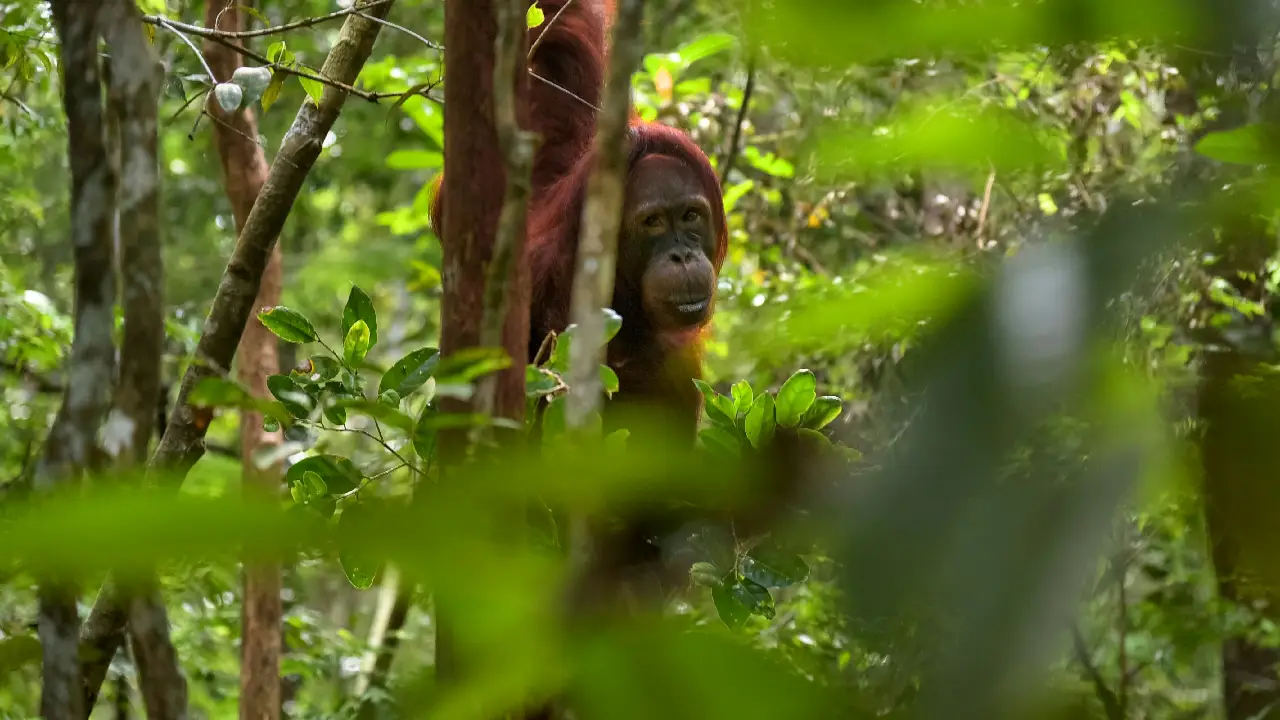
The Sepilok Orangutan Rehabilitation Centre, near Sandakan in Sabah, is one of the most important orangutan conservation sites in the world, rehabilitating orphaned and displaced orangutans for eventual return to the wild. Scheduled feeding platforms, visible from an observation deck, offer some of the most reliable and ethical opportunities anywhere to see wild-born orangutans up close, without the exploitative practices — like forced performances or physical contact — that plague some other wildlife tourism operations in the region. The adjacent Bornean Sun Bear Conservation Centre, dedicated to the world’s smallest bear species, makes an easy add-on visit.
The Kinabatangan River: Borneo’s Wildlife Highway
The Kinabatangan River, Sabah’s longest river, cuts through one of the most biodiverse remaining stretches of rainforest in Borneo, and river cruises here offer some of the best wildlife-spotting opportunities in the country. Proboscis monkeys, an endemic species found only on Borneo and recognizable by males’ large, distinctive noses, are commonly spotted along the riverbanks at dawn and dusk, alongside pygmy elephants, hornbills, and, with luck, wild orangutans in the forest canopy above.
Mount Kinabalu: Southeast Asia’s Highest Peak
Mount Kinabalu, at 4,095 meters, is the highest mountain in Southeast Asia and a UNESCO World Heritage Site in its own right, both for its biodiversity and its geological significance. Climbing to the summit is a genuinely challenging two-day trek requiring an overnight stay at a mountain lodge partway up, typically undertaken to reach the summit in time for sunrise — but permits are limited and must be booked well in advance, often months ahead during peak season, due to strict daily climber quotas. Even without summiting, Kinabalu Park at the mountain’s base offers excellent day-hiking trails through montane rainforest.
Sarawak: Longhouses and Caves
Across in Sarawak, the state capital Kuching serves as a gateway to Borneo’s indigenous Iban and Bidayuh cultures, with several tour operators offering visits to traditional longhouses — communal dwellings that can house dozens of families under a single elongated roof — for an authentic, if increasingly tourism-adapted, look at indigenous Bornean life. Gunung Mulu National Park, also in Sarawak, houses some of the largest cave chambers in the world, including the Sarawak Chamber, believed to be the largest known cave chamber by area anywhere on Earth, alongside spectacular nightly bat exodus displays as millions of bats leave the caves at dusk to feed.
Practical Notes
Borneo requires more advance planning than Peninsular Malaysia — permits, seasonal weather (the wetter months roughly October through February can disrupt trekking and river excursions), and the region’s more limited transport infrastructure all mean booking tours and accommodation well ahead of travel. Domestic flights connect Kota Kinabalu (Sabah) and Kuching (Sarawak) to both each other and Kuala Lumpur, and most wildlife and trekking experiences require joining organized tours rather than independent travel, both for logistics and for responsible wildlife viewing practices.