
Most visitors to Qatar never leave Doha, but the country beyond its capital holds some of its most distinctive experiences — coastal villages, ancient forts, and landscapes that feel a world away from the glass towers of West Bay.
Al Zubarah: A UNESCO World Heritage Site
Al Zubarah, on Qatar’s northwest coast about 105 kilometers from Doha, is an archaeological site and former walled coastal town that was once one of the Gulf’s most important pearling and trading centers before being abandoned in the early 20th century. Now a UNESCO World Heritage Site, its excavated ruins — including a fort, mosque foundations, and merchant houses — offer a rare, largely intact glimpse into pre-oil Gulf urban life. The adjacent Al Zubarah Fort, built in 1938, houses a small museum with exhibits on the site’s history and ongoing archaeological work.
The drive north to Al Zubarah passes through increasingly rural Qatari landscape, a useful contrast to Doha’s dense urban core, and can be combined with a stop at nearby Al Ruwais, a small fishing town at the country’s northern tip.
The Pearl-Qatar: Qatar’s Answer to the Riviera
Closer to Doha, The Pearl-Qatar is an artificial island development styled after Mediterranean and Arabian architecture, home to marinas, upscale shopping, and waterfront promenades that feel distinctly different from the rest of the city. It’s a popular spot for an evening stroll or dinner, particularly around the Qanat Quartier, a canal-lined district deliberately designed to evoke Venice, complete with gondola-style boat rides and colorful building facades.
Traditional Villages and Falconry
Al Wakrah, a historic coastal town about 15 kilometers south of Doha, offers a quieter, more traditional counterpoint to the capital. Its restored old town, Souq Al Wakra, features traditional wind-tower architecture and a working fishing harbor where you can watch local fishermen bring in their daily catch. The town also hosted matches during the 2022 World Cup at Al Janoub Stadium, another architecturally notable venue designed by the late Zaha Hadid, its curved form inspired by the hulls of traditional dhow boats.
Falconry remains a deeply significant part of Qatari and broader Gulf culture, and several tour operators offer visits to falcon souqs or private falconry demonstrations in the desert, where handlers explain the sport’s centuries-old traditions and the remarkable value placed on well-trained birds — some prized falcons sell for hundreds of thousands of dollars.
The Inland Sea and Beyond
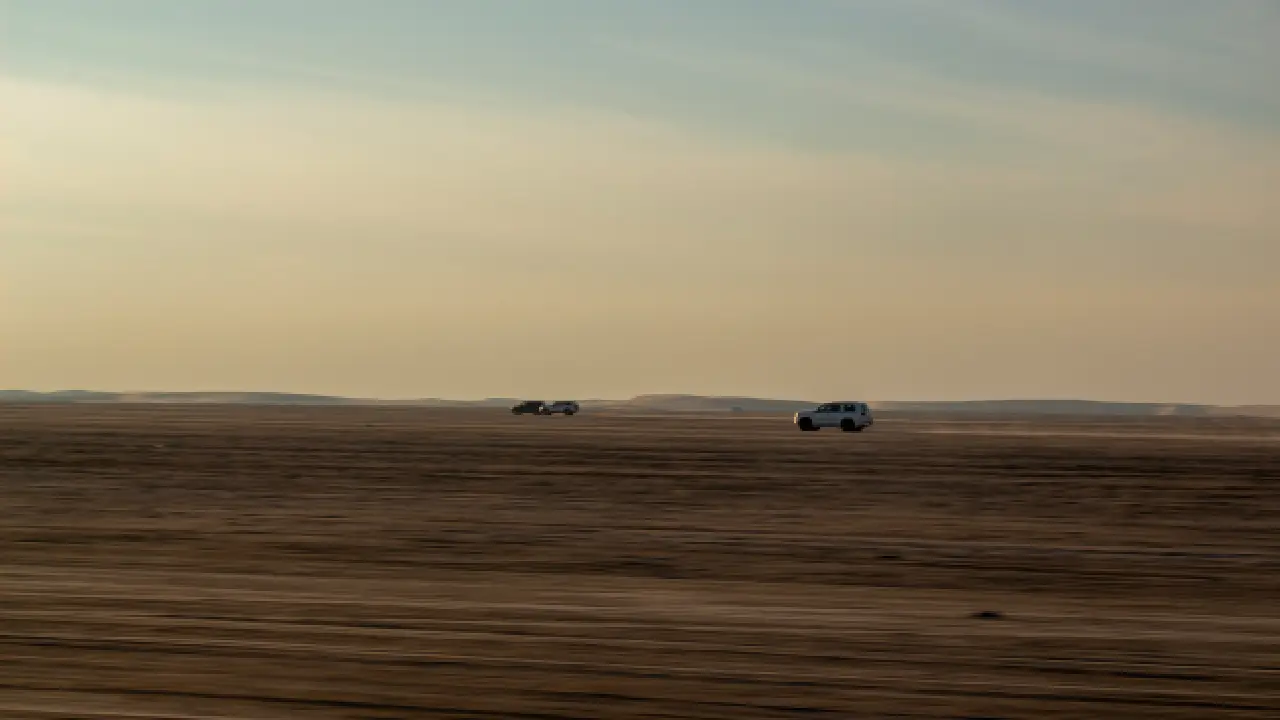
For those who visited Khor Al Adaid (the Inland Sea) briefly on a Doha-based tour, a longer overnight desert camping trip offers a deeper version of the same landscape — the chance to watch sunset and sunrise over the dunes where the desert meets the water, away from any city lights. Several tour operators run overnight camps with traditional Qatari meals, live music, and guided stargazing sessions, giving a fuller sense of the landscape that shaped Bedouin life in the region for centuries before Qatar’s transformation into one of the wealthiest nations in the world.
Practical Notes
Renting a car is the most flexible way to explore beyond Doha, as Qatar’s highway network is modern and well-maintained, though a 4×4 is necessary for desert routes like the Inland Sea. Alternatively, organized day tours from Doha cover most of these destinations without requiring you to navigate independently. As with Doha itself, modest dress is advisable when visiting rural villages and cultural sites, and note that alcohol is not available outside licensed hotels and specific venues, so plan dining accordingly if that’s a consideration