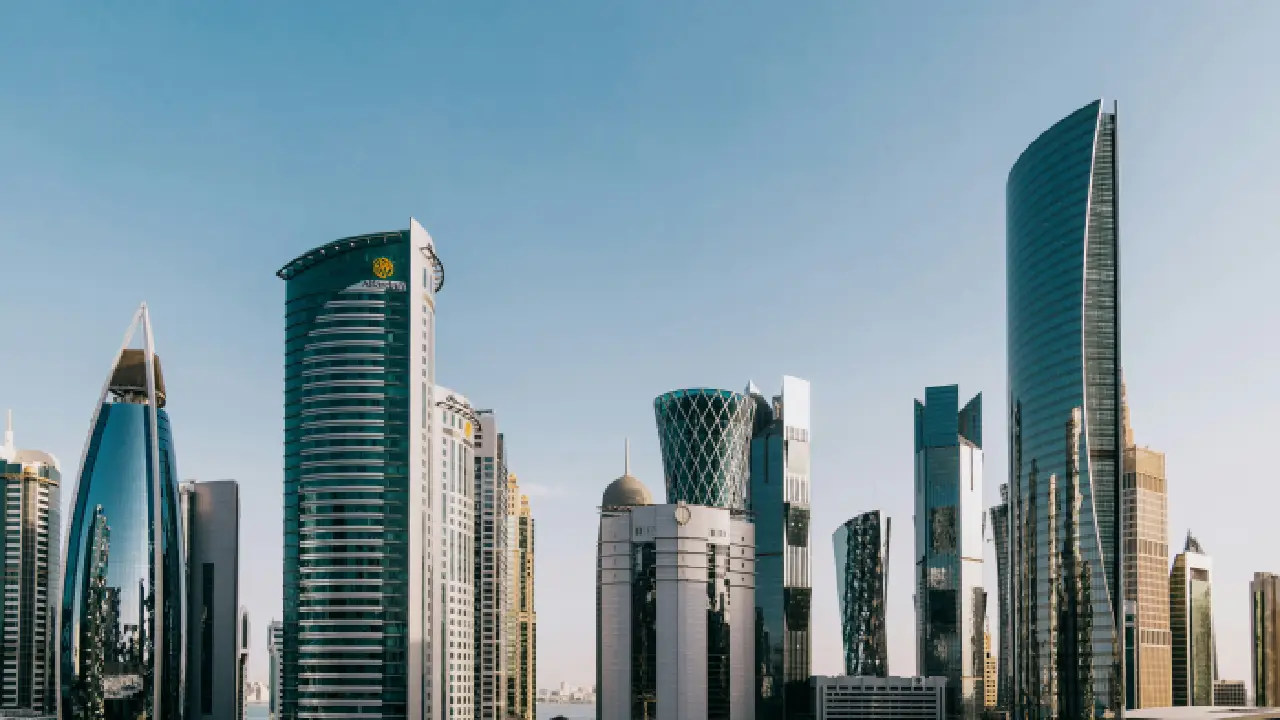

Doha is a city built almost entirely within living memory — much of its striking skyline has gone up in the last two decades, fueled by natural gas wealth and, more recently, the global spotlight of hosting the 2022 FIFA World Cup. But beneath the glass towers, Qatar’s capital has held onto a distinct identity rooted in its Bedouin and pearl-diving past, making for a destination that’s as culturally layered as it is visually futuristic.
Day One: The Corniche and Museum of Islamic Art
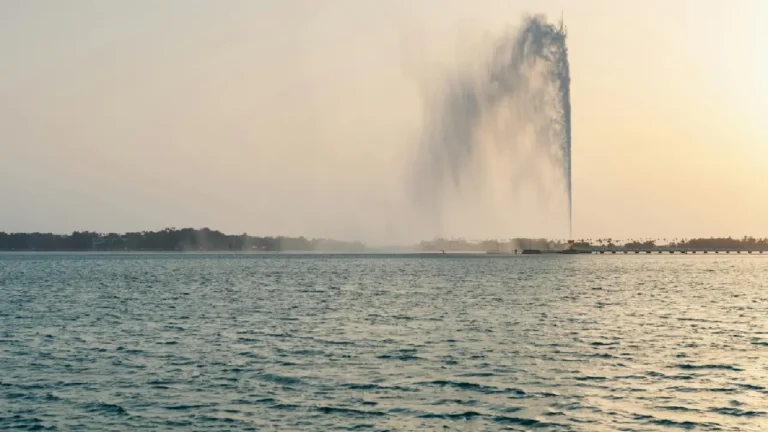
Start at the Corniche, Doha’s 7-kilometer waterfront promenade curving around Doha Bay, offering the classic view of West Bay’s skyscraper skyline across the water. Early morning or just before sunset are the best times to walk it, when temperatures are more manageable and the skyline catches golden light.
At the southern end of the Corniche sits the Museum of Islamic Art, designed by renowned architect I.M. Pei (who also designed the Louvre Pyramid), housing one of the world’s most comprehensive collections of Islamic art spanning 1,400 years and three continents. The building itself, sitting on its own artificial island, is as much an attraction as the collection inside — Pei reportedly traveled throughout the Islamic world researching historic architecture before designing it.
In the evening, head to Souq Waqif, Doha’s restored traditional market, where narrow lanes are lined with spice shops, textile stalls, falcon vendors (falconry remains a significant part of Qatari culture), and dozens of restaurants serving everything from traditional Qatari cuisine to Lebanese, Iranian, and Indian food. The souq comes alive after sunset, when the heat breaks and both locals and visitors fill its lanes and rooftop restaurants.
Day Two: National Museum and West Bay
The National Museum of Qatar, another architectural landmark, was designed by Jean Nouvel with a striking form inspired by the desert rose, a crystal formation found in the region’s arid terrain. The museum’s exhibits trace Qatar’s history from its geological formation through the pearling era to the discovery of oil and gas that transformed the country’s economy, and the building’s disc-shaped structures are genuinely unlike anything else in the region.
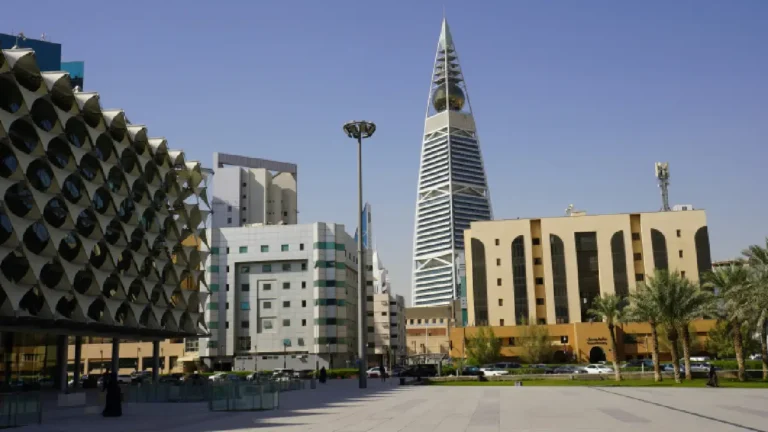
In the afternoon, explore West Bay, Doha’s modern financial district, where architecturally ambitious skyscrapers compete for attention along the skyline. The Sheraton Grand Doha, a pyramid-shaped hotel that’s been a fixture of the skyline since the 1980s, remains one of the city’s most recognizable buildings despite the newer towers around it.
Day Three: Into the Desert
No trip to Qatar is complete without a desert excursion. Book a half-day or full-day tour to the Inland Sea (Khor Al Adaid), a UNESCO-recognized natural reserve about an hour south of Doha where the desert meets the sea in a striking, otherwise landlocked body of water. Most tours combine the drive with dune bashing (off-road driving over sand dunes in 4×4 vehicles) and the chance to sandboard down the dunes — an unexpectedly thrilling adventure activity in the middle of the desert.
Many tours also stop at traditional Bedouin-style camps for a evening meal and, weather permitting, stargazing — Qatar’s desert skies, far from the city’s light pollution, offer some of the clearest night views in the region.
Practical Notes
Qatar’s climate is extreme; visit between November and March, when daytime temperatures hover in the comfortable low-to-mid 20s°C (70s°F), rather than summer, when temperatures regularly exceed 40°C (104°F). Public transport via the Doha Metro is modern, clean, and covers most major attractions, though taxis and ride-hailing apps remain common for reaching areas outside the metro’s coverage. Note that Qatar is a conservative country — modest dress is expected in public spaces, particularly in Souq Waqif and religious sites, though tourist areas and hotels are generally more relaxed.