
Venice has a reputation for being overrun — and around St. Mark’s Square at midday, that reputation is well earned. But the city built on 118 small islands has far more to offer than the postcard shots suggest, especially if you’re willing to walk ten minutes past the crowds.
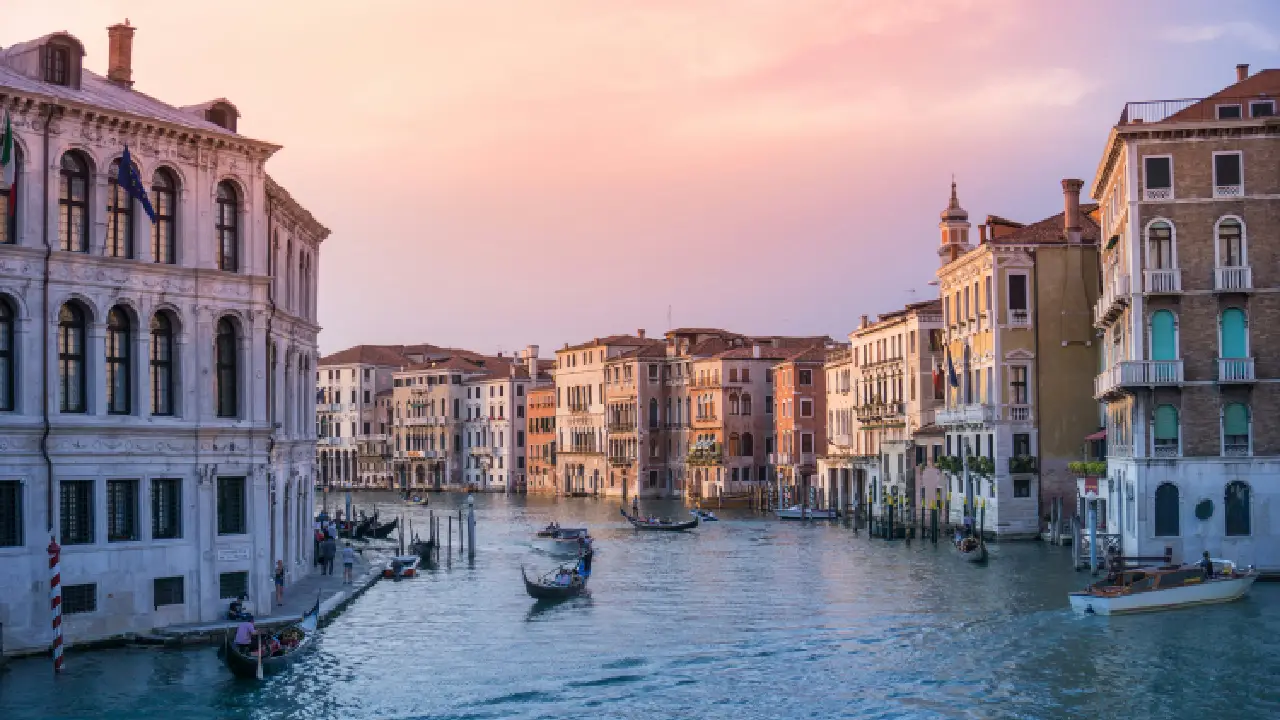
The Grand Canal, By Vaporetto
The best (and cheapest) introduction to Venice is a ride down the Grand Canal on the number 1 vaporetto (water bus), which stops frequently and moves slowly enough to take in the palazzos lining both banks. Sit outside at the back if you can — the views of Ca’ d’Oro, the Rialto Bridge, and the Baroque facade of Santa Maria della Salute unfold like a slow-motion architecture tour.
The Rialto Bridge itself is worth crossing early in the morning, before 9am, when the market stalls are just setting up and the crowds haven’t yet arrived. The Rialto Market, Venice’s produce and fish market, has operated on this spot for over 700 years and is one of the best places to see the city’s everyday commercial life rather than its tourist face.
St. Mark’s Square, Strategically
St. Mark’s Basilica and the Doge’s Palace are essential, but timing is everything. Arrive at opening (typically 9:30am) to see the Basilica’s Byzantine gold mosaics without shoulder-to-shoulder crowds, and book Doge’s Palace tickets online in advance to skip what can be an hour-plus line in peak season. Climbing the Campanile (bell tower) for a rooftop view of the city and lagoon is worth the entry fee, particularly at sunset.
The Quiet Sestieri
Venice is divided into six districts, or sestieri, and most visitors never leave San Marco and San Polo. Cannaregio, the northernmost district, is where many Venetians actually live, and it includes the historic Jewish Ghetto — the original ghetto after which all others are named, established in 1516. Wander its quiet canals in the late afternoon and you’ll likely have entire bridges to yourself.
Dorsoduro, on the southern side, is home to the Peggy Guggenheim Collection (a superb modern art museum in Guggenheim’s former palazzo home) and the university district, which means better, cheaper food than the tourist-trap restaurants near St. Mark’s. Look for a bacaro — a traditional Venetian wine bar — serving cicchetti, small snacks similar to Spanish tapas, paired with a glass of local wine for a few euros.
Murano and Burano: The Island Day Trip
A half-day boat trip to the islands of Murano and Burano is one of the best uses of time outside the main city. Murano has been the center of Venetian glassmaking since 1291 (when furnaces were relocated there due to fire risk), and several studios offer live glassblowing demonstrations. Burano, a short additional boat ride away, is famous for its brightly painted fishermen’s houses — every building a different saturated color — and for handmade lace, a craft that’s been practiced there for centuries.
Practical Notes
Venice charges a day-tripper entry fee (currently around €5-10) on certain peak dates for visitors not staying overnight — check current dates before planning a day trip. Staying overnight avoids the fee and, more importantly, lets you experience the city after the cruise ships and day-trippers leave in early evening, when Venice becomes noticeably quieter and, many would argue, far more magical. Book accommodation well in advance, as Venice has limited hotel capacity relative to its visitor numbers.