
Rome doesn’t fit neatly into three days, but if that’s what you have, it’s enough to fall in love with a city that layers 2,800 years of history into every neighborhood you walk through. The trick isn’t trying to see everything — it’s accepting that you’ll leave wanting to come back.
Day One: Ancient Rome
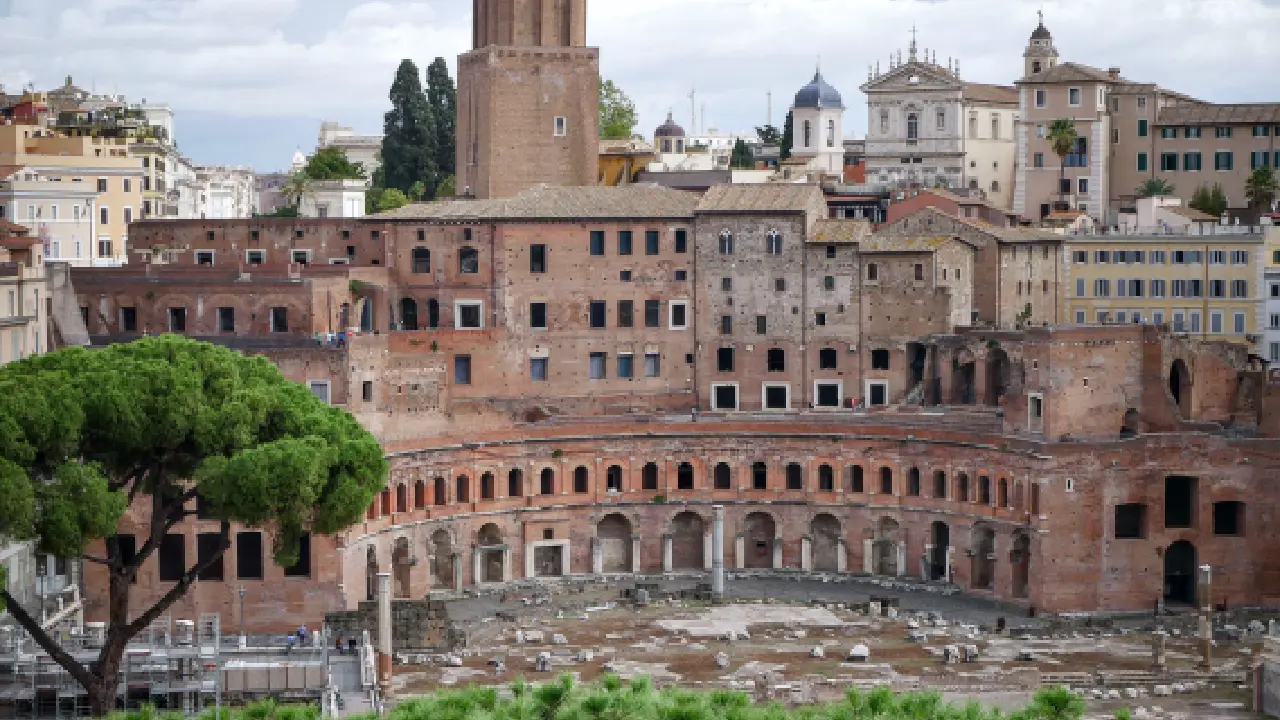
Book skip-the-line tickets for the Colosseum well in advance; lines without a reservation can stretch two hours or more in peak season. The Colosseum ticket typically includes entry to the Roman Forum and Palatine Hill next door, so budget a full morning to explore all three. The Forum, once the beating heart of the Roman Empire’s political and commercial life, is more evocative walked slowly than rushed — take time to imagine the Via Sacra as the processional route it once was, lined with temples now reduced to scattered columns.
In the afternoon, walk toward the Pantheon, the best-preserved building from ancient Rome, still standing nearly 1,900 years after its construction. Its coffered concrete dome, with an open oculus at the top, remains the largest unreinforced concrete dome in the world — an engineering feat modern architects still study.
End the day at Trevi Fountain, ideally after dark when the crowds thin and the Baroque sculptures are lit dramatically against the water. Tradition holds that tossing a coin over your left shoulder with your right hand guarantees a return trip to Rome — the fountain collects roughly €1.5 million a year, which the city donates to a charity supporting the poor.
Day Two: Vatican City
Vatican City deserves its own full day. Arrive at the Vatican Museums as early as possible — ideally at opening, 9am — to beat both the crowds and the heat if visiting in summer. The museums are vast, but the undisputed highlight is the Sistine Chapel, where Michelangelo’s ceiling frescoes, completed over four exhausting years between 1508 and 1512, remain one of the most astonishing works of art anywhere in the world.
From the Sistine Chapel, the route leads directly into St. Peter’s Basilica, the largest church in the world by interior volume. Climbing to the top of the dome (nearly 300 steps, with a narrower final stretch that isn’t for the claustrophobic) rewards you with sweeping views across Rome and St. Peter’s Square below.
Day Three: Trastevere and the Real Rome
Save your final day for Trastevere, the cobblestoned neighborhood across the Tiber that feels less like a tourist checklist and more like the Rome people actually live in. Wander without much of a plan — this is a neighborhood built for aimless walking, with ivy-covered buildings, small piazzas, and trattorias that haven’t changed their menus in decades.
This is also where to eat Rome’s four classic pasta dishes: carbonara, cacio e pepe, amatriciana, and gricia. Skip restaurants with laminated multilingual menus and photos of the food — a reliable sign of a tourist trap — and look instead for places with handwritten daily specials and a mostly Italian clientele. Ask a local for a recommendation if you can; Roman pride in their carbonara runs deep, and everyone has an opinion on who does it best.
Practical Notes
Rome’s public transport (metro and buses) is serviceable but limited compared to other European capitals, partly because archaeological finds routinely halt subway construction. Walking is often faster than transit within the historic center. Book major sites (Colosseum, Vatican Museums) at least a few weeks ahead in peak season (April-June, September-October), and expect summer temperatures to regularly exceed 35°C (95°F), making early morning sightseeing essential.