
Jeddah, Saudi Arabia’s second-largest city and its principal Red Sea port, has served for centuries as the gateway for Muslim pilgrims arriving to perform Hajj and Umrah in nearby Mecca — a role that’s given the city a cosmopolitan, historically layered character distinct from the rest of the kingdom.
Al-Balad: Jeddah’s Historic Heart
Al-Balad, Jeddah’s UNESCO World Heritage-listed old town, preserves a dense network of coral-stone buildings featuring distinctive wooden latticework balconies (rawashin), a traditional architectural feature designed to allow airflow and privacy simultaneously in the region’s hot, humid climate. Many of these buildings, some dating back several centuries, have been carefully restored in recent years as part of a broader preservation effort, and walking through Al-Balad’s narrow alleys in the evening — when the heat breaks and local shops and cafes come alive — offers one of the most atmospheric experiences in Saudi Arabia.
Naseef House, one of Al-Balad’s most significant historic buildings, once served as informal accommodation for King Abdulaziz following the unification of Saudi Arabia and now operates as a small museum documenting Jeddah’s merchant history and the building’s own architectural significance, including a massive tree in its courtyard said to be one of the oldest in the city.
The Jeddah Corniche
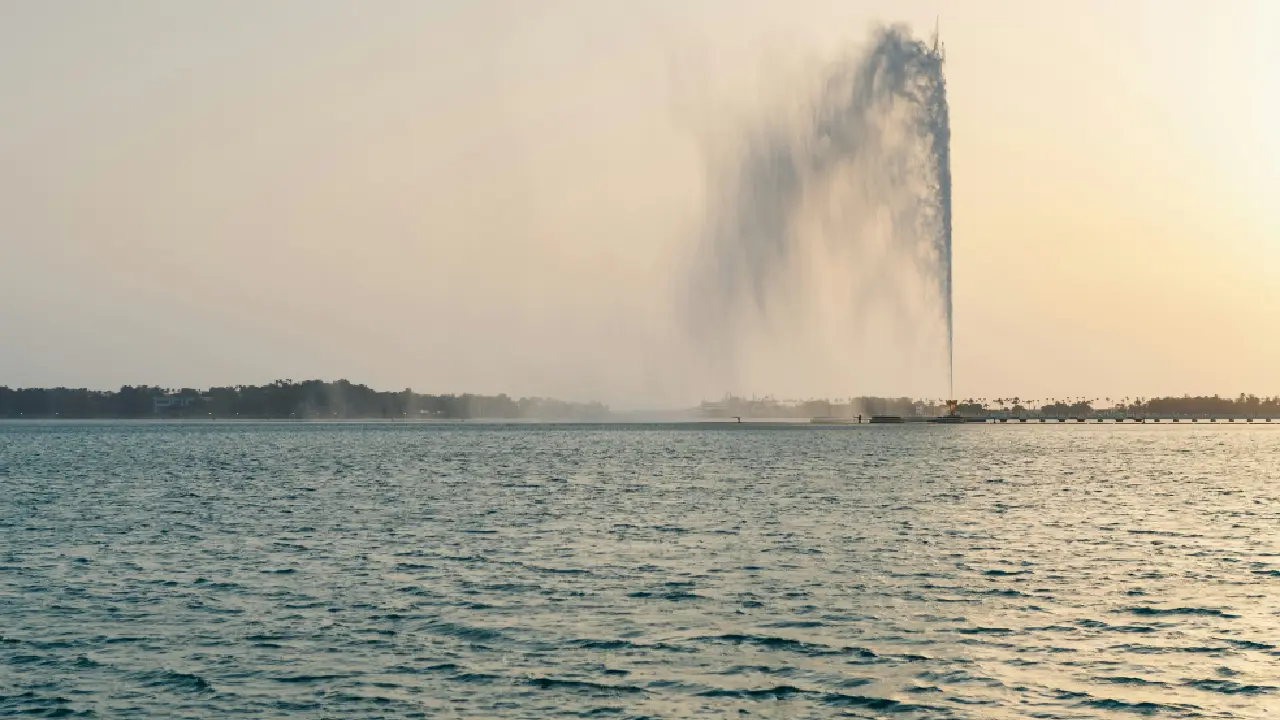
The Jeddah Corniche, a lengthy waterfront promenade along the Red Sea, is where the city’s everyday leisure life unfolds — families gathering for picnics, joggers using the extended pathways in the cooler evening hours, and the King Fahd Fountain, one of the tallest fountains in the world, shooting seawater over 260 meters into the air, illuminated dramatically after dark. Numerous public art installations, part of a citywide open-air sculpture initiative launched decades ago, are scattered along the Corniche, giving the waterfront an unexpectedly gallery-like quality for a public promenade.
Diving the Red Sea
The Red Sea’s coral reefs, among the most biodiverse and best-preserved in the world due to the sea’s relative isolation and limited historical development pressure, offer exceptional diving and snorkeling opportunities along Jeddah’s coast. Several dive operators run trips to reef sites just offshore, showcasing vibrant coral formations and marine life, including reef sharks, turtles, and an abundance of colorful reef fish species found throughout the northern Red Sea. Saudi Arabia’s broader Red Sea coastline, including the newly developed Red Sea Project resort area further north, has positioned diving and marine tourism as a significant part of the country’s tourism diversification strategy.
Mosque Architecture
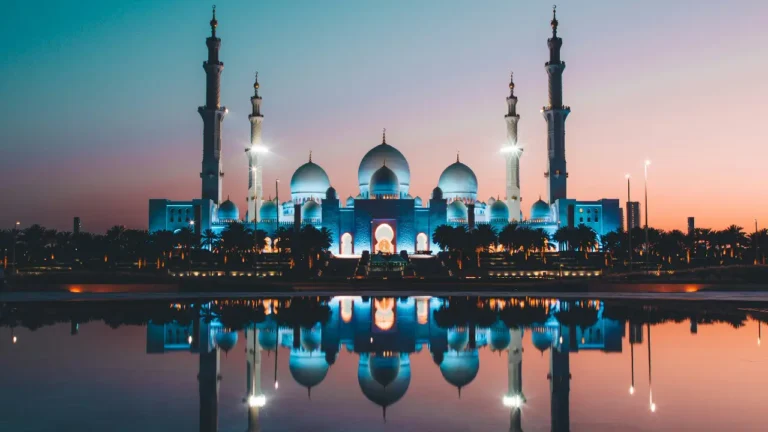
Jeddah is home to several architecturally significant mosques, most notably the Al Rahma Mosque (commonly known as the “Floating Mosque”), built on stilts directly over the Red Sea waters along the Corniche, creating the striking visual effect of a building appearing to float on the water, particularly at high tide. While non-Muslims cannot enter the mosque’s interior, its exterior and waterfront setting make it one of the city’s most photographed landmarks.
Practical Notes
Jeddah’s King Abdulaziz International Airport is a major international hub, making the city a common entry point for visitors continuing on to Mecca (for Muslim pilgrims) or to other parts of the kingdom, including AlUla and Riyadh. The city’s climate is hot and humid year-round given its Red Sea coastal location, though evenings along the Corniche remain pleasant for walking. As with the rest of Saudi Arabia, dress modestly in public areas, particularly in Al-Balad and around mosques, though Jeddah is generally considered one of the more relaxed and cosmopolitan cities in the kingdom.