
AlUla, in northwestern Saudi Arabia, is arguably the single most significant reason international travelers are now adding the kingdom to their itineraries — an ancient oasis valley housing Saudi Arabia’s first UNESCO World Heritage Site, monumental Nabataean tombs, and dramatic sandstone landscapes that have drawn comparisons to a less-crowded Petra.
Hegra: Saudi Arabia’s Answer to Petra
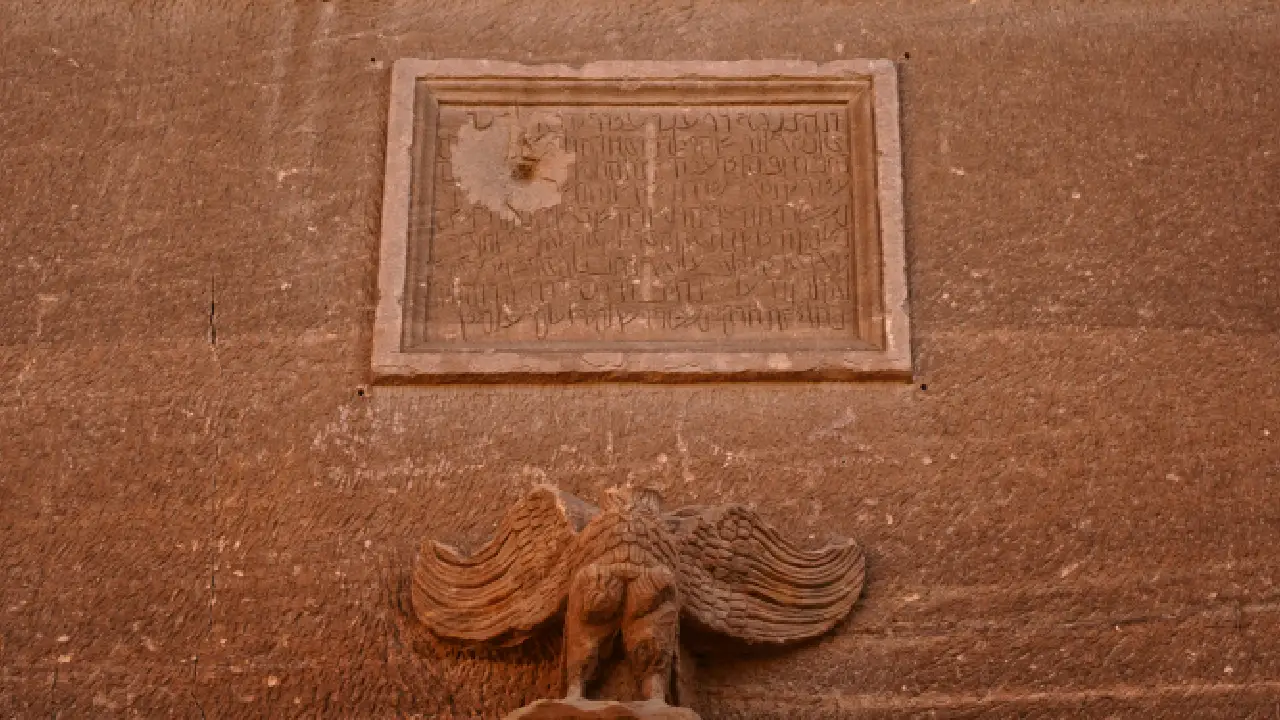
Hegra (also known as Mada’in Salih), AlUla’s centerpiece and Saudi Arabia’s first UNESCO World Heritage Site, was the southern capital of the Nabataean civilization — the same culture responsible for Jordan’s famous Petra — and houses over 100 monumental tombs carved directly into sandstone outcrops, many featuring elaborately decorated facades that have survived remarkably intact for roughly 2,000 years. Unlike Petra, which draws millions of visitors annually, Hegra remains comparatively uncrowded, offering a rare chance to explore a UNESCO-listed ancient wonder without the overwhelming tourist density found at similar sites elsewhere.
Guided tours, required for entry, typically combine walking and vehicle transport between the site’s scattered tomb clusters, with Qasr al-Farid (“the Lonely Castle”) — an unusually large, freestanding tomb carved from a single massive sandstone outcrop — standing as the site’s most photographed and impressive single structure.
AlUla Old Town and Elephant Rock
AlUla Old Town, a historic mud-brick settlement inhabited for centuries until residents relocated to a newer town in the 1980s, offers an atmospheric walk through narrow, winding streets and crumbling structures, evocative of the region’s more recent pre-modern history. Nearby, Elephant Rock (Jabal AlFil), a massive natural sandstone formation eroded into an unmistakable elephant shape, has become one of AlUla’s most popular sunset viewing spots, with a small amphitheater-style seating area set up to accommodate visitors gathering for the evening light show.
Maraya: The World’s Largest Mirrored Building
Maraya, a striking concert and event venue entirely clad in mirrored glass panels, reflects the surrounding desert and mountain landscape so completely that the building itself nearly disappears into its surroundings — a Guinness World Record holder for the largest mirrored building on Earth. Originally built for a single Andrea Bocelli concert in 2019, it now hosts regular concerts, art exhibitions, and cultural events, and has become an architectural attraction in its own right even without an event scheduled.
Rock Art and Ancient Trade Routes
AlUla’s broader valley preserves thousands of ancient rock art carvings and inscriptions, some dating back over 7,000 years, documenting the region’s long history as a crossroads for ancient trade routes connecting Arabia, the Levant, and beyond. The Jabal Ikmah open-air library, sometimes called an “open-air library” for its dense concentration of inscriptions in multiple ancient scripts, offers a lesser-visited but archaeologically rich complement to Hegra’s more famous tombs.
Practical Notes
AlUla is reachable via direct flights to Prince Abdulmajeed bin Abdulaziz International Airport or a roughly 5-hour drive from Medina. The region has invested heavily in tourism infrastructure as part of a broader push to become a major international destination, including a range of accommodation from luxury resorts to more affordable options in the newer AlUla town. The most comfortable visiting season is October through April, avoiding the intense summer heat that makes outdoor tomb exploration considerably less pleasant between June and August.