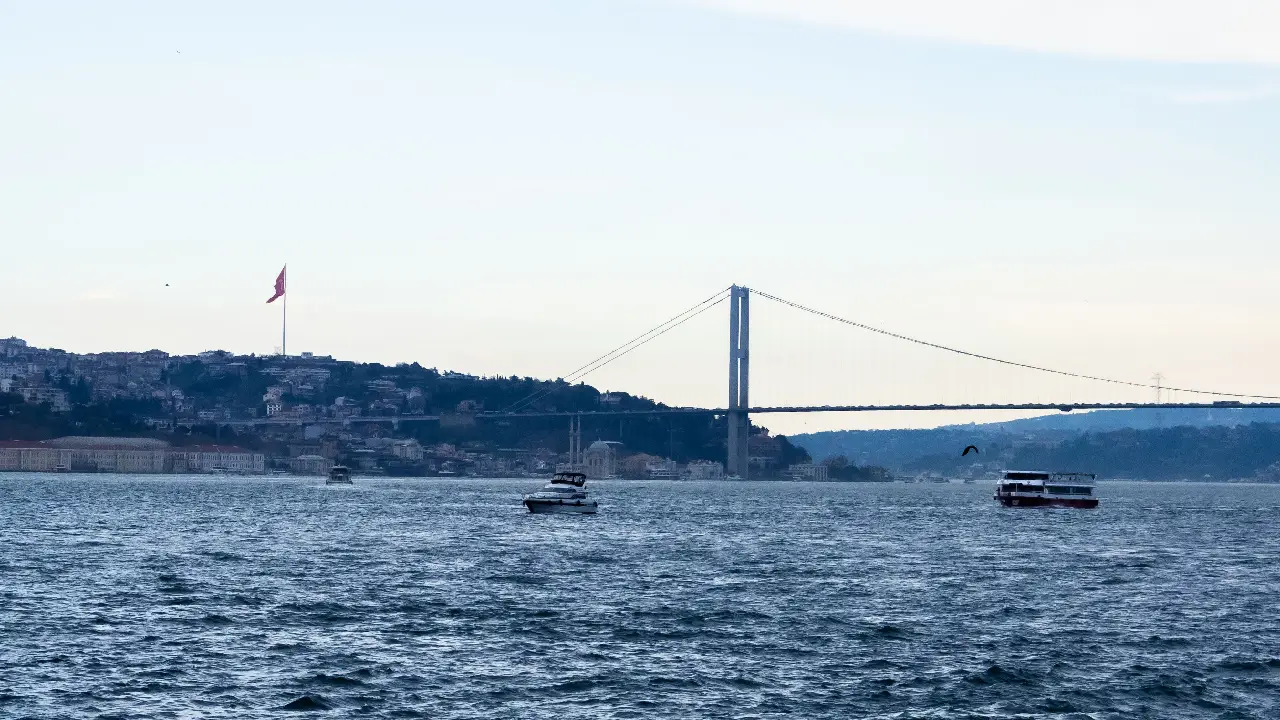

Istanbul is the only major city in the world that spans two continents, split by the Bosphorus Strait into a European side and an Asian side — a geographic quirk that mirrors the city’s broader identity as a place where Byzantine, Ottoman, and modern Turkish influences layer over each other in almost every neighborhood.
Day One: Sultanahmet’s Imperial Core
The historic Sultanahmet district houses Istanbul’s most essential sights within easy walking distance of each other. Hagia Sophia, originally built as a Byzantine cathedral in 537 AD, later converted to a mosque under Ottoman rule, then a museum, and reconverted to a functioning mosque in 2020, remains one of the most architecturally significant buildings in the world — its massive central dome was the largest in the world for nearly a thousand years after its construction.
Directly across the square, the Blue Mosque (formally the Sultan Ahmed Mosque), named for the blue Iznik tiles lining its interior, remains an active place of worship, so visits outside of the five daily prayer times require modest dress and, for women, a head covering, usually available for loan at the entrance. The Topkapi Palace, former residence of Ottoman sultans for nearly 400 years, houses an extensive collection of imperial treasures, including the Topkapi Dagger and an emerald-encrusted collection that draws crowds nearly as large as the palace’s harem quarters, a separate, additional-ticket section offering insight into the private lives of the Ottoman court.
Day Two: The Grand Bazaar and Bosphorus
The Grand Bazaar, one of the largest and oldest covered markets in the world, dating to the 15th century, houses over 4,000 shops across a sprawling, maze-like network of covered streets, selling everything from Turkish carpets and ceramics to jewelry and spices. Haggling is expected and part of the experience, though it takes some getting used to for visitors unfamiliar with the practice.
In the afternoon, a Bosphorus cruise offers the best way to appreciate Istanbul’s unique geography, passing beneath the bridges connecting Europe and Asia, past Ottoman-era waterfront palaces like Dolmabahçe, and fishing villages that retain a slower pace of life despite sitting just minutes from the city center. Ferries run both as formal tourist cruises and as regular public transport, with the latter offering a significantly cheaper (if less narrated) version of essentially the same experience.
Day Three: Galata, Karaköy, and the Asian Side
Cross the Galata Bridge into the newer, more contemporary Beyoğlu district, anchored by the Galata Tower, a medieval stone tower offering panoramic views across the historic peninsula and the Bosphorus. Istiklal Street, Beyoğlu’s main pedestrian thoroughfare, is lined with shops, cafes, and a nostalgic tram that has run the same short route since the late 1800s.
For a genuinely different perspective, take a short ferry across to Kadıköy on Istanbul’s Asian side, where a noticeably more relaxed, less touristy atmosphere prevails — the neighborhood’s Tuesday market and abundant meyhanes (traditional Turkish taverns) offer some of the city’s best food away from the more heavily trafficked European side attractions.
Practical Notes
Istanbul’s public transport network, combining trams, metro, and ferries, is extensive and easy to navigate with an Istanbulkart, a reloadable transit card that also offers fare discounts. The city is best visited in spring (April-May) or fall (September-October), avoiding both summer’s heavy tourist crowds and heat, and winter’s cold, gray weather.